FHA Loan Credit Score Requirements: What You Need to Qualify
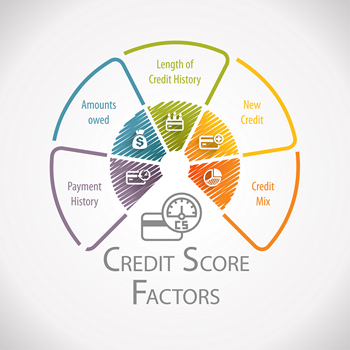 Shopping for your first home can feel overwhelming, especially when you're worried about your credit score. That knot in your stomach? Totally normal. But here's the good news: FHA loans provide a pathway to homeownership for buyers who may not qualify for other types of mortgages. Understanding the FHA loan credit score requirements is your first step toward knowing if you qualify.
You don't need a perfect 800 to get started. In fact, the rules are a lot more forgiving than you might think. Let's break it down together, step by step, so you know exactly where you stand.
Understanding FHA Loans and Credit Score Requirements
FHA loans are government-backed mortgages insured by the Federal Housing Administration. These home loans help borrowers with credit scores below the FHA minimum FICO score or with limited savings buy a home. That's a huge deal if traditional lenders have turned you away before.
The credit score requirements for FHA loans are much more lenient than conventional loan standards. You won't need platinum credit or a massive bank account.
Most lenders require a minimum credit score of 580 to qualify for an FHA loan with just 3.5% down. That's often called the FHA 580 credit score threshold, and it's your ticket to a low down payment.
If your credit score falls between 500 and 579, you can still get an FHA loan. However, you'll need to make a down payment of at least 10%. And yes, borrowers with a score as low as 500 have options - though finding a lender who works in that range takes a little more effort.
The FHA loan requirements go beyond just your credit number. Lenders also look at your complete financial picture, including income, debt, and employment history. You'll need to show steady work, typically for at least two years.
Your debt-to-income ratio matters too. Most lenders want to see that your monthly debts don't exceed 43% of your gross monthly income. But there's wiggle room if you have strong compensating factors.
How FHA Loans Work (In Plain English)
FHA loans differ from conventional mortgages in several important ways. The Federal Housing Administration doesn't actually lend you money. Instead, approved lenders provide the funds, and the FHA insures those loans against default.
This insurance protects lenders, which is why they're willing to accept borrowers with credit scores below typical requirements. It's like a safety net for the bank, so they can say "yes" more often.
When you apply for an FHA loan, you'll pay mortgage insurance premiums. These come in two parts: an upfront premium and an annual premium. The upfront cost equals 1.75% of your loan amount, and you can roll that right into your mortgage.
The yearly premium is split into monthly payments added to your regular mortgage bill. This type of mortgage serves first-time homebuyers especially well - though you don't have to be a first-timer to qualify.
FHA borrowers love the low down payment and easier qualification standards. With a credit score of 580 or higher, your down payment starts at just 3.5%.
Requirements for an FHA Loan
Beyond credit, several other FHA loan requirements apply. The property you buy must be your primary residence. Investment properties and vacation homes don't qualify. The home must also pass an FHA inspection for safety and structural soundness.
Loan limits vary by location. In 2026, the baseline FHA loan limits start at $498,257 for single-family homes in most areas. High-cost areas have higher limits - sometimes over $1 million - so you can take out an FHA loan for an amount that actually works for your local market. Use our FHA Loan Limit Calculator to check your county's maximum.
Income requirements aren't set in stone. You just need enough to cover your monthly mortgage payment, taxes, insurance, and other debts. Lenders calculate your debt-to-income ratio carefully. Most prefer under 43%, but there is flexibility for borrowers with compensating factors such as a higher score or solid savings. Our DTI Calculator for FHA Loans can help you see where you stand.
Key benefits of FHA loans at a glance:
- Lower credit score acceptance: You can qualify with scores as low as 500
- Smaller down payments: Put down as little as 3.5% with good credit
- Flexible income standards: Self-employed and commission-based workers can qualify
- Assumable loans: Future buyers can take over your mortgage
Credit Score Impact on Your FHA Home Loan
Your credit score directly affects your interest rate and loan terms. A higher score means better mortgage rates, which can save you thousands over the life of your loan. Even small differences in your rate add up to big savings over 15 or 30 years.
Borrowers with scores above 700 typically get the best rates. Those with lower credit scores pay higher interest rates to offset the lender's risk. That's why it pays to improve your credit before you apply. Wait a few months to boost your score if you're close to the next tier.
Understanding the FHA credit score guidelines helps you set realistic expectations. These guidelines aren't just arbitrary numbers - they directly shape what you'll pay each month.
Types of FHA Loans Available
FHA loans come in several varieties to meet different needs. The standard FHA mortgage works for most home purchases. A 203(k) rehabilitation loan lets you buy a fixer-upper and roll renovation costs into your mortgage. This works great if you find a diamond in the rough.
Energy-efficient mortgages help you finance improvements that reduce utility bills. You can add solar panels, new windows, or better insulation to your loan amount. Just make sure those improvements meet specific requirements before closing.
And if you already have an FHA loan? You might consider an FHA streamline refinance later to lower your rate with less paperwork.
FHA Loan Limits and Regional Differences
Loan limits affect how much you can borrow. These limits protect both borrowers and the FHA program. In low-cost areas, the limits might restrict your options. But in expensive markets, higher limits make FHA loans practical for a broader range of homes.
Your local FHA loan limits depend on median home prices in your county. The Department of Housing and Urban Development updates these limits annually. Check with your lender before house hunting - this helps you set a realistic budget and avoid disappointment. Our New 2026 FHA Loan Limits page has the latest numbers.
Mortgage Insurance and FHA Mortgages
Mortgage insurance makes FHA loans possible for borrowers with less-than-perfect credit. The upfront premium of 1.75% can be financed into your loan amount. You won't pay this cost at closing, though it will slightly increase your loan amount.
Annual FHA mortgage insurance gets added to your monthly payment. The rate varies based on your loan amount, term, and down payment. For most borrowers with a 30-year mortgage and less than 5% down, the annual rate is 0.85% of the loan amount, divided by 12 and added to your monthly bill. Use our FHA MIP Calculator to estimate your costs.
Unlike conventional mortgages, you can't cancel FHA mortgage insurance just by reaching 20% equity. If you put down less than 10%, you'll pay it for the entire loan term. With a 10% or larger down payment, the insurance drops off after 11 years. Many borrowers refinance into a conventional mortgage once they have built enough equity. Learn more about how to refinance an FHA loan to a conventional loan.
Comparing FHA Loans to Conventional Loans
Conventional loans typically require a credit score of 620 or higher. They also demand larger down payments unless you pay for private mortgage insurance. The mortgage insurance on conventional loans works differently - you can cancel it once you hit 20% equity.
FHA loans are easier to qualify for if your credit score falls below 620. The low down payment helps first-time buyers who haven't saved a ton yet. However, the mortgage insurance on FHA loans often costs more over time compared to private mortgage insurance on conventional mortgages. See our full FHA vs Conventional comparison for details.
Interest rates on FHA loans often compare favorably to conventional loans, especially for borrowers with lower credit scores. Shop around and compare offers from multiple lenders. You might find that an FHA loan minimum score requirement fits your situation better than a conventional mortgage's stricter terms.
How to Qualify for an FHA Loan
Start by checking your credit score through a free service or your bank. Review your credit reports for errors and dispute any mistakes you find. Pay down credit card balances to improve your utilization ratio - keep those balances below 30% of your credit limits. Our Credit Utilization Calculator can help you see where you stand.
Pay all bills on time for at least six months before applying. Payment history is the single biggest factor in your credit score. Even one late payment can hurt your chances or raise your interest rate. Set up automatic payments to never miss a due date.
Here's what you need to know about FHA fico requirements and FHA credit score limits in practice. Lenders follow these closely, but each bank adds its own "overlay" - so one lender might say yes while another says no.
Understanding the FHA 580 credit score sweet spot is useful. At 580 or above, you get the 3.5% down payment option. Below that, you're looking at 10% down. That's one of the most important FHA credit score guidelines to remember.
The FHA minimum fico score of 500 is the absolute floor for most lenders. Below that? You'll need to work on rebuilding first. And remember, the FHA loan minimum score isn't the only factor - but it's a big one. Check out our Average Credit Score Calculator to see how you compare.
Quick prep checklist:
- Check credit reports: Review all three bureaus for accuracy
- Pay bills on time: Build a solid payment history for six months minimum
- Reduce debt: Lower your debt-to-income ratio below 43%
- Save for closing: Keep money for down payment and closing costs
- Gather documents: Collect pay stubs, tax returns, and bank statements
Steps to Apply for an FHA Loan
Contact multiple lenders to compare mortgage rates and fees. Each lender sets their own standards within FHA guidelines. Some specialize in FHA mortgages and may offer better terms or more flexibility. Get pre-approved before house hunting - it shows sellers you're serious. Our FHA Loan Prequalification guide walks you through the process.
Submit your application along with all required documents. You'll need proof of income, employment verification, tax returns, and bank statements. The lender will pull your credit and verify everything. This process typically takes a few weeks, though some lenders work faster.
Once approved, you'll receive a loan estimate showing your interest rate, monthly payment, closing costs, and the annual mortgage insurance. Review it carefully and ask questions about anything unclear. Your lender should explain all fees and help you understand the total cost.
Improving Your Credit for Better FHA Rates
Even if you meet the minimum score, improving your credit helps you save money. Better credit means lower FHA interest rates and smaller monthly payments. Start by paying down credit cards and avoiding new credit applications.
Keep old credit accounts open to maintain your credit history length. Don't close cards after paying them off - that can actually hurt your score by reducing available credit. Instead, use those cards occasionally for small purchases and pay them off immediately.
Dispute errors on your credit reports with the bureaus. Mistakes happen more often than you think. Incorrect accounts, inaccurate balances, or outdated negative information can drag your score down. The bureaus must investigate disputes within 30 days and remove incorrect information.
Building Credit Before You Buy
If your credit score needs significant work, consider waiting a few months. Use that time to pay down debt and establish a better payment pattern. Some people benefit from becoming an authorized user on someone else's credit card - this can quickly add positive payment history to their credit report.
Avoid applying for new credit in the months leading up to your application. Each credit application generates a hard inquiry, which can slightly lower your score. Multiple inquiries in a short time raise red flags for lenders. Focus on managing your current accounts well instead of opening new ones.
Making the Most of Your FHA Home Loan
Once you understand the requirements for FHA loans, you can plan your path to homeownership. Start by reviewing your credit and finances honestly. Identify areas for improvement and create a realistic timeline. Most people can boost their credit score significantly in 3-6 months with focused effort.
Save for your down payment while working on your credit. Even though FHA loans accept low down payments, having more saved gives you options. A larger down payment means a smaller loan amount and lower monthly payments. You'll also need money for closing costs - typically 2% to 4% of the purchase price. Our FHA Down Payment Calculator can help you plan.
Work with a knowledgeable lender who understands FHA programs. They can guide you through the process and help you avoid common mistakes. Ask about special programs for first-time buyers that may offer down payment assistance or better terms. Many states and cities offer programs that complement FHA financing. See our guide to FHA Loans for First-Time Homebuyers.
The journey to homeownership takes planning and patience. But FHA loans make it possible for millions of Americans each year. Your credit score matters - but it's just one piece of the puzzle. Focus on building a strong financial foundation, and you'll be ready to qualify for a loan for your dream home sooner than you think.
Frequently Asked Questions
What are the exact FHA FICO requirements for a 3.5% down payment?
To qualify for the minimum 3.5% down payment, you need an FHA 580 credit score or higher. That's the magic number. If your score falls between 500 and 579, you'll need at least 10% down. Some lenders may have stricter internal requirements, so always ask about their specific overlays.
Can I get an FHA loan with credit scores below 580?
Yes, but it's harder. The FHA credit score limits go as low as 500, but you'll need 10% down. Also, not every lender accepts scores in the 500-579 range. You may need to shop around to find a bank that specializes in lower-credit FHA borrowers. The FHA loan minimum score of 500 is the absolute floor - below that, you'll need to rebuild credit first.
How do FHA credit score guidelines differ from conventional loans?
Conventional loans typically require a 620 minimum credit score and often 5% down or more. FHA credit score guidelines are much more forgiving - accepting scores down to 500 with 10% down, or 580 with just 3.5% down. FHA also allows higher debt-to-income ratios in some cases. The trade-off is that FHA mortgage insurance usually lasts longer. See our FHA vs Conventional page for a full comparison.
What's the lowest FHA minimum FICO score any lender will accept?
The official FHA minimum fico score is 500. However, many lenders add their own "overlays" and require 580 or even 620. If your score is between 500 and 579, you'll need to find a lender that doesn't have a higher internal minimum. Community banks and credit unions are often more flexible than large national lenders.
Does the FHA loan minimum score affect my interest rate?
Absolutely. While you may qualify with an FHA loan minimum score of 500 or 580, your interest rate will be higher than someone with a 680 or 720 score. Lenders price risk into their rates. Improving your credit by even 20-30 points before applying can save you thousands over the life of the loan. The FHA 580 credit score gets you in the door - but a higher score gets you a better deal. Check our Get Best FHA Loan Rate guide for tips.
Connect With Us
Please share – it really helps