FHA Upfront Mortgage Insurance: A Helpful Guide for Homebuyers
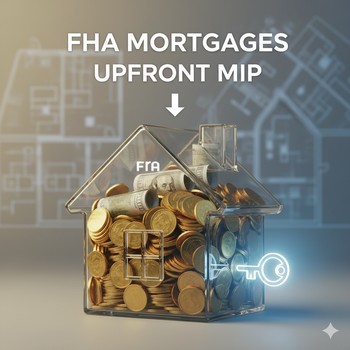 When you buy a home with an FHA loan, you'll run into a cost that surprises a lot of first-time buyers. It's called the FHA upfront PMI , which stands for mortgage insurance premium. This one-time fee is there to protect your lender if you ever default on the loan. Understanding how this insurance works can help you budget better and decide if an FHA loan is the right fit for you.
The Federal Housing Administration backs FHA loans to help people with lower credit scores or smaller down payments. Since these loans carry more risk for lenders, the government asks borrowers to pay for mortgage insurance. This insurance comes in two flavors: an upfront payment at closing and ongoing monthly charges.
How the Upfront MIP Works
The up-front MIP is a one-time fee you pay when you close on your home. As of 2026, this fee equals 1.75% of your loan amount. If you borrow $200,000, your upfront MIP would be $3,500. That's the FHA upfront mip percentage you'll hear lenders talk about.
Most borrowers roll this cost into their mortgage instead of paying cash at closing. Your lender simply adds the upfront premium to your total loan balance. This means you'll pay interest on that FHA upfront mortgage insurance over the life of the loan. Yes, it increases your monthly payment a tiny bit, but it saves you from a big cash outlay on day one.
The Department of Housing and Urban Development sets the rates for FHA mortgage insurance. These rates can change, but the UFMIP percentage has remained steady at 1.75% for several years. Your lender collects this fee and sends it straight to the Federal Housing Administration.
Annual MIP and Monthly Costs
Beyond that upfront payment, you'll also pay monthly mip through regular installments. This annual premium depends on your loan amount, loan term, and down payment size. Most borrowers pay somewhere between 0.45% and 1.05% of their loan amount each year.
Your lender divides that annual cost by 12 and adds it to your monthly mortgage payment. For example, if your yearly MIP is $1,200, you'll pay an extra $100 per month. This monthly mip continues for either 11 years or the entire loan term, depending on how much you put down.
Understanding MIP Rates
The MIP rate you pay depends on several main factors. Loans under $726,200 with down payments of at least 10% have lower rates than those with smaller down payments. Larger loans and longer loan terms typically carry higher rates. Here's a quick breakdown:
- Put down less than 5%? You'll pay a monthly MIP for the life of the loan.
- Put down 5% to 9.99%? You'll pay for 11 years.
- Put down 10% or more? You'll pay for 11 years at lower rates.
Your credit score doesn't directly affect your FHA MIP rate. However, it does influence whether you qualify for an FHA loan in the first place. So don't worry too much about your score when it comes to the premium itself.
FHA Mortgage Insurance vs. Private Mortgage Insurance
Many people mix up FHA mortgage insurance with private mortgage insurance (PMI) on conventional loans. While both protect lenders, they work very differently. With a conventional loan, you can cancel PMI once you reach 20% equity. But FHA loan holders often cannot easily remove their monthly mip. That's a big deal.
This difference matters when you're planning for the long haul. If you expect to stay in your home for many years and build equity quickly, a conventional loan might save you more money over time. But FHA loans remain a fantastic option for buyers with credit difficulties or limited savings for a down payment. VA loans are another alternative for eligible veterans and service members - they don't require any mortgage insurance, though they do charge a one-time funding fee.
How to Remove or Reduce MIP
Getting rid of your monthly mip payment isn't always simple. If you put down less than 10% on your FHA loan, you'll pay that monthly mortgage insurance for the entire loan term. The only way to escape it is to refinance into a conventional loan once you have 20% equity in the property.
Refinancing makes sense when mortgage rates are favorable, and you've built enough equity. You'll need a decent credit score and a stable income to qualify. Some borrowers refinance within just a few years if home values in their area rise quickly. That's the upside of a hot housing market.
If you made a down payment of at least 10%, your FHA MIP automatically ends after 11 years. You don't need to request cancellation or refinance. Your lender will simply stop charging the monthly fee once you hit that milestone. Pretty painless, right?
Getting an MIP Refund
You might qualify for a refund of your up front mip under certain conditions. If you refinance your FHA loan into another FHA loan within three years, you can receive a partial refund. The refund amount decreases each month you hold the existing mortgage. That's a nice little perk.
This refund is applied to the upfront premium of your new loan, which reduces your costs. You can't get the FHA upfront mortgage insurance rebate as cash. But your lender handles the paperwork automatically when you do an FHA-to-FHA refinance.
Some borrowers sell their homes or pay off their mortgages early. In those cases, you might receive a prorated refund of your upfront premium. Just contact your lender to see if you qualify and how to claim what's yours.
Is an FHA Loan Right for You?
FHA loans help thousands of people achieve homeownership who could struggle with conventional financing. The lower credit score requirements and smaller down payment options make these loans accessible. But yes, the mandatory mortgage insurance adds to your monthly costs. You've got to weigh that trade-off.
Calculate your total mortgage payment - including both the upfront and monthly mip - before committing to an FHA loan. Then compare that to what you'd pay with a conventional loan if you qualify. Sometimes, waiting a bit longer to improve your credit score or save a larger down payment can save you real money over the life of the loan.
The FHA upfront mortgage insurance premium gets added to your closing costs, but rolling it into your mortgage makes it more manageable. Just remember that you'll also pay that monthly mip on top of your regular principal and interest. These costs protect lenders, yes, but they also increase your housing expenses. Be honest with yourself about your budget.
Frequently Asked Questions About FHA Mortgage Insurance
Can I avoid paying upfront MIP?
No, all FHA loan borrowers have to pay the up front mip. This requirement applies regardless of your down payment amount or credit score. That 1.75% fee is mandatory for every FHA-backed mortgage. There's no way around it.
How long do I pay MIP on an FHA loan?
The length depends entirely on your down payment. Borrowers with less than 10% down pay monthly mip for the life of the loan. Those who put down 10% or more pay for only 11 years. So a bigger down payment really pays off in the long run.
What happens to my upfront premium if I sell my house?
If you sell within three years, you may be eligible for a partial refund of your up-front MIP . The refund amount depends on how long you've held the mortgage. After three years, no refund is available. So timing matters if you think you might move soon.
Can my MIP payment change over time?
Your monthly mip payments stay the same unless you refinance. The government occasionally adjusts MIP rates for new loans, but those changes don't affect existing mortgages. What you lock in at closing is what you'll pay - no surprises.
Is MIP tax-deductible?
You may be able to deduct monthly mip payments on your taxes, similar to mortgage interest. But consult a tax professional about your specific situation. Tax rules can change, and they vary depending on your income level. Don't guess on this one - get expert advice.
Connect With Us
Please share – it really helps